Planters · 2017
Kinze 2600 24-Row Planter - Corroded-Fastener Disassembly
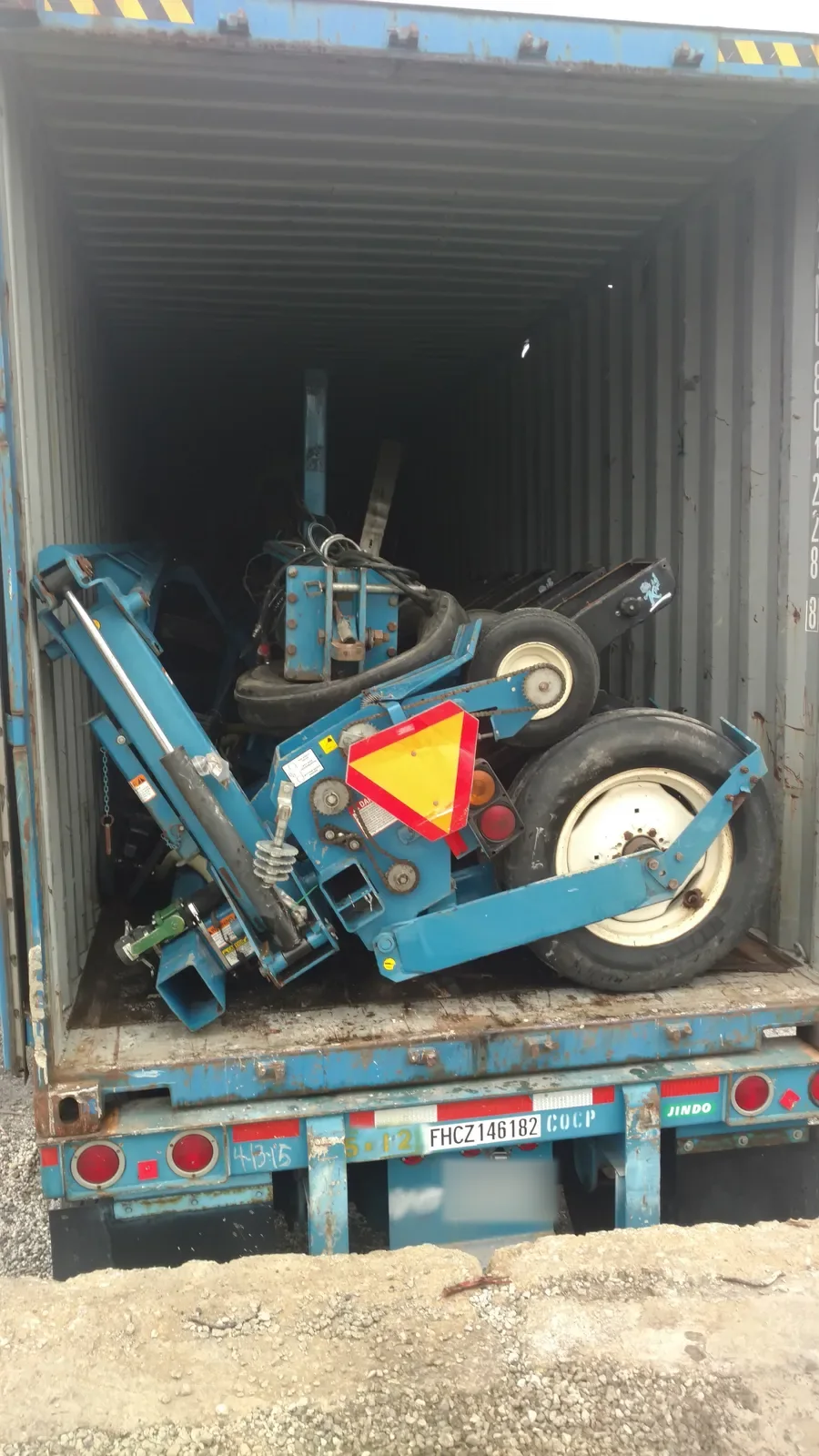
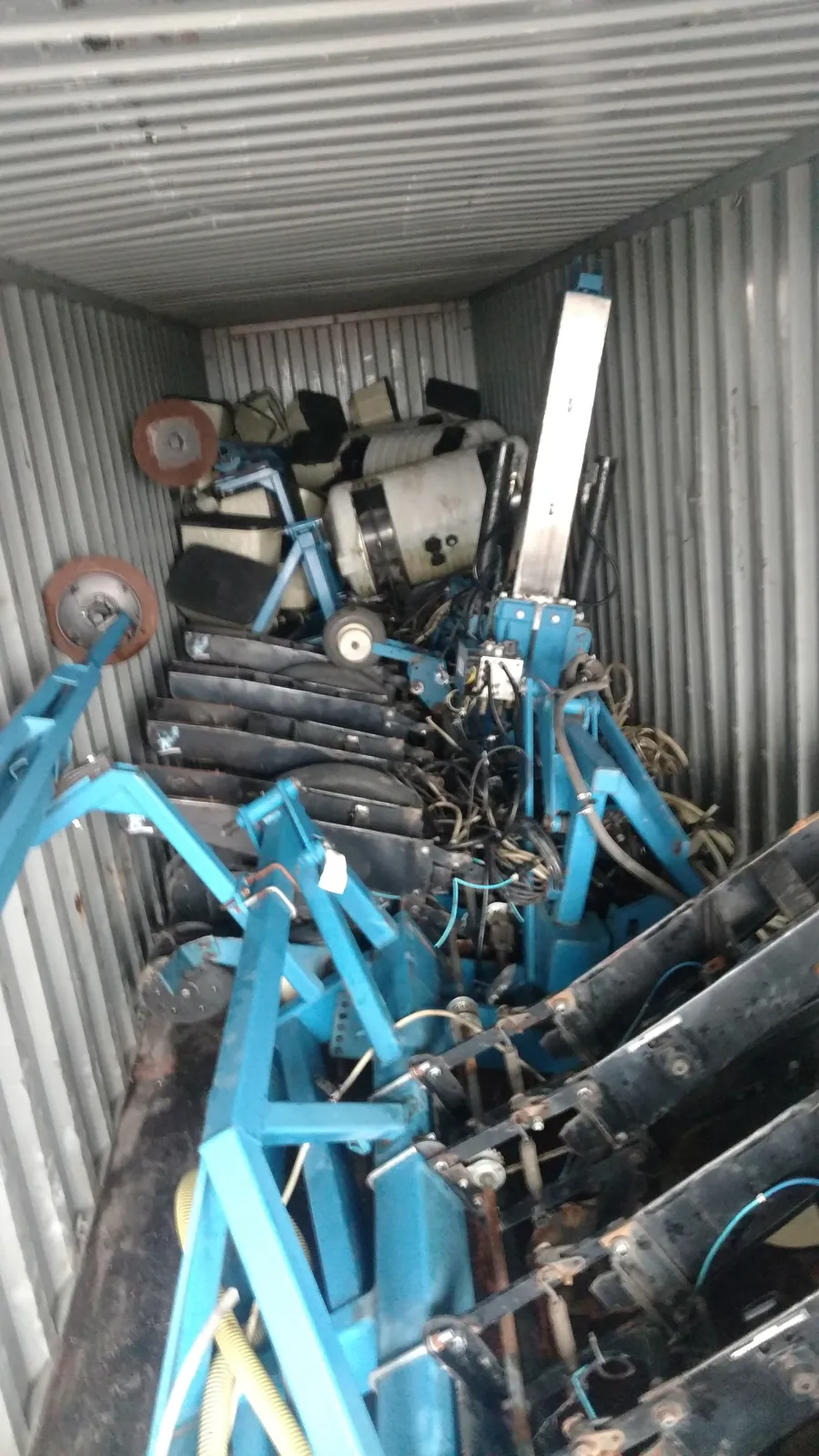
In 2017 Meridian located a used Kinze 2600 at a nearby dealer, purchased it for the customer and collected it with company equipment. The 24-row planter weighed approximately 9 metric tons; seized fasteners were released with controlled localized heating, and the dismantled planter went in a standard container through Chicago and New York to Novorossiysk.
| Equipment | Used Kinze 2600 24-row planter |
|---|---|
| Route | Local U.S. dealer – Meridian packing facility – Chicago – New York – Novorossiysk |
| Year | 2017 |
| Weight | Approximately 9 metric tons |
| What Meridian did | Located and purchased the planter, collected it with company equipment, dismantled it and coordinated the route |
The shipment
Meridian located the used Kinze 2600 at a nearby dealer, purchased it for the customer and collected it with company equipment. The 24-row planter weighed approximately 9 metric tons. Its liquid fertilizer system had operated in a corrosive environment, and a number of fasteners had seized. The disassembly team used controlled localized heating where necessary to release the affected bolts and separate the assemblies without damaging the surrounding structure. Ro-Ro and Flat Rack shipment were available, but their cost was difficult to justify for this machine. Meridian dismantled the planter, positioned the fertilizer tanks and frame inside a standard container, and coordinated the route through Chicago and New York to Novorossiysk. Meridian advised the customer that the row-unit carriages on this Kinze 2600 configuration could not be repositioned easily to the 70 cm, or approximately 28 in, spacing commonly used for corn in Eastern Europe. The wheel-support structure obstructed the required carriage positions, and changing the spacing would have required substantial modification of the wheel assembly. The customer elected to proceed with the purchase after this limitation was explained. After delivery, the farm determined that altering the wheelbase or carriage positions was impractical and used the planter for soybeans, for which the existing row configuration was acceptable to its operating plan. Meridian's responsibility ended at the Port of Novorossiysk. No delay, damage or route change was reported, and the customer assembled and placed the planter in service.
What Meridian did
- Located the used Kinze 2600 at a nearby dealer, purchased it for the customer and collected it with company equipment.
- Used controlled localized heating, where necessary, to release seized bolts and separate the assemblies without damaging the surrounding structure.
- Positioned the fertilizer tanks and frame inside a standard container and coordinated the route through Chicago and New York to Novorossiysk.
- Advised the customer that the row-unit carriages could not be repositioned easily to the 70 cm spacing commonly used for corn in Eastern Europe.
Transport particulars
- The 24-row planter weighed approximately 9 metric tons.
- Its liquid fertilizer system had operated in a corrosive environment, and a number of fasteners had seized.
- The wheel-support structure obstructed the required carriage positions; changing the spacing would have required substantial modification of the wheel assembly.
- The customer proceeded with the purchase after the limitation was explained, and the farm used the planter for soybeans.
- Ro-Ro and Flat Rack shipment were available, but their cost was difficult to justify for this machine.
- No delay, damage or route change was reported.
From Meridian Freight's project archive. Published
Have a similar shipment to plan?
Tell us the equipment and destination — we'll quote our part of the move.